

Nothing prepared Esther for the whispers that followed her first pregnancy at 17. In her neighborhood in Bamenda, gossip flew faster than facts. Some claimed her pregnancy was punishment for immorality. Some people warned Esther that contraceptives could damage her womb, cause infertility or reduce sexual pleasure. Hearing these warnings repeatedly created fear and confusion. Although Esther wanted to protect herself, the misinformation discouraged her from seeking contraceptives when she became sexually active, increasing her risk of unintended pregnancy. Instead of doors opening to the joy of a child, Esther found doors closing. At school, teachers and administrative heads saw her as bad influence; her peers not only isolated her from their circle but she became the talk of the campus. This moral judgement was also seen in the clinic as she was judged by Health Care Providers (HCP) and community members and rather than keeping it confidential as their ethics demands, her story became the trending hospital gist where HCP have their break with; they’ll gather round in circles during break or hospital lobbies and talk about their patients story judgmentally, she was blamed instead of being supported in a place she considered her primary refuge. At home her parents and relatives expressed their disappointments by reducing her allowances and “told her from this day onwards you’re own your own”. The silence that followed was louder than any judgment spoken aloud, all these stemmed from misinformation’s like Pregnancy means moral failure, SRH equals promiscuity.
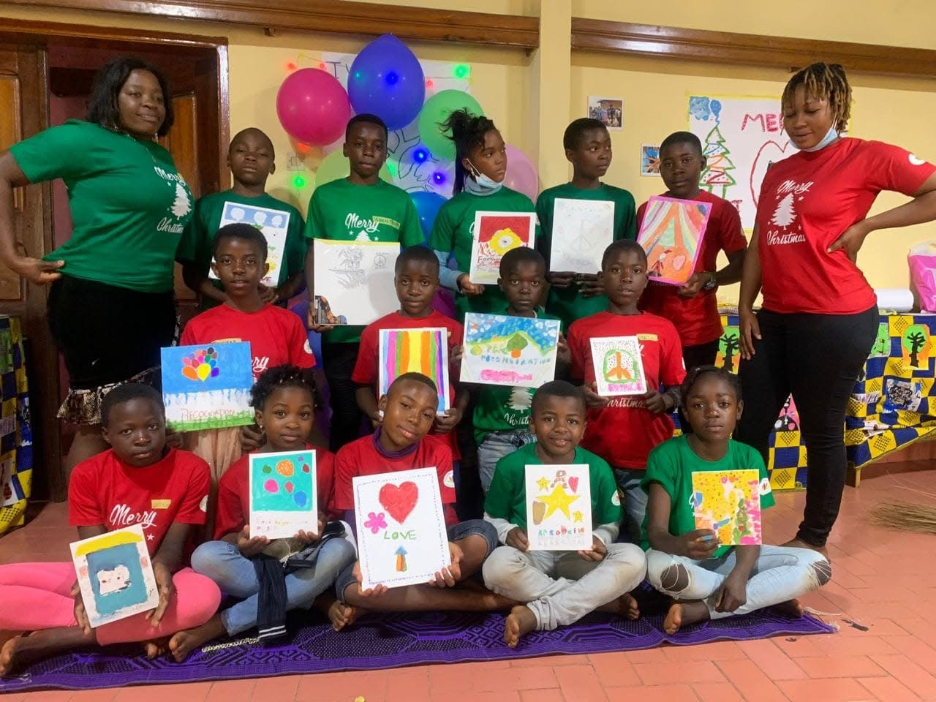
This is just a summary of one out of many girls, they do not only lack access to services they also lack accurate information and supportive environments. In the Northwest region of Cameroon, where young women already face SRH challenges coupled with impacts from prolonged socio-political crises that exacerbate vulnerabilities., misinformation deepens stigma and pushes young people away from care and support.
What Community Belief and What Science Says
In many communities, health information spreads through word of mouth. Unfortunately, both accurate and inaccurate information travel together making it difficult for young people to know what is true. In these communities, individual sexual and reproductive health is determined by “I hear say or e bi work for some person so”. This information cycle alone has brought us to the myths that we currently hear today in our society. Some myths about SRH can be heard like using contraceptives causes permanent infertility especially if used before having children, some say condoms are unsafe because they can break and get lost inside a females body and that they limit enjoyment and pleasure, believes that a girl cannot get pregnant during her first sexual encounter, some even promote unsafe methods such as the hanger method for inducing abortion and others argue that providing comprehensive sexuality knowledge in schools promote youths to become promiscuous or sexually active earlier, others say modern reproductive health services are designed to harm people , and that infertility is a female issue.
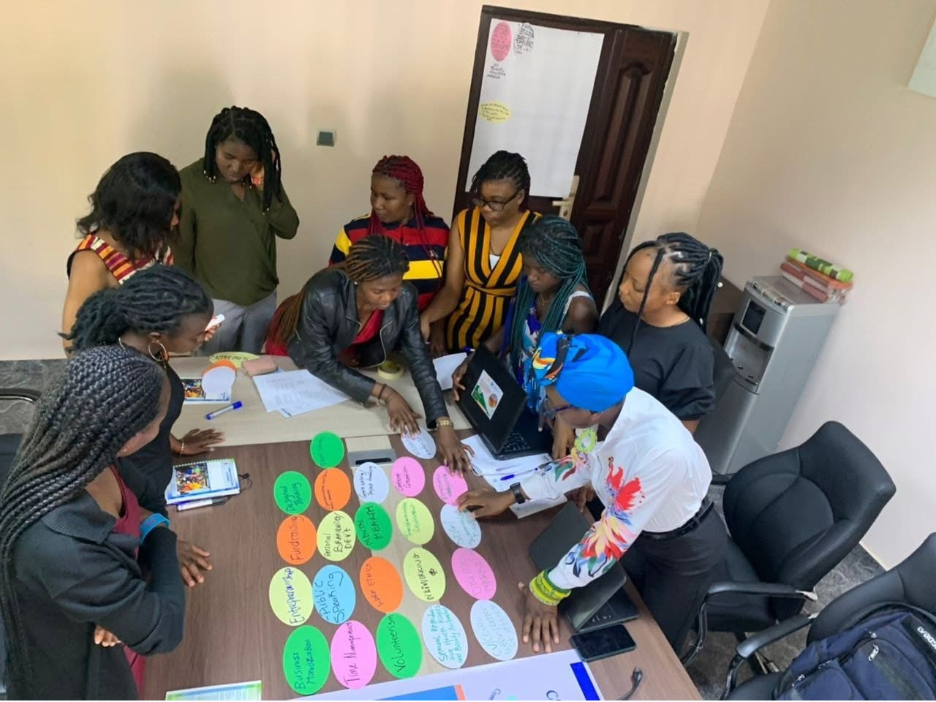
Sexual and reproductive health (SRH) is more than a slogan, it is a central part of physical, emotional, and social wellbeing. According to the Guttmacher-Lancet Commission, SRH includes access to contraception, STI prevention, safe pregnancy care and the right to make informed health decisions
Rumors and misperceptions have been shown to reduce contraceptive use among AGYW even when services are available
In Bamenda and other parts of Cameroon, SRH misconceptions feed stigma, fear, and avoidance of services even when young people technically can access them. According to one regional study, HIV prevalence among youths 15–24 years old is about 2%, and 26.5% of them report unwanted pregnancies yet knowledge doesn’t always translate into uptake of services.
Why Misinformation Becomes Stigma
Information alone is not enough when fear, culture, and judgement fill the gaps left by science.
❓ What happens when girls hear “contraceptives cause infertility” from elders, peers, or online?
They turn to avoid family planning altogether, even if they want to prevent pregnancy which is a decision grounded in fear rather than knowledge.
❓ What happens when communities blame a pregnant adolescent for “bringing shame”?
Girls like Esther may stop going to school because of fear of mockery, lack of finance as all she has will be used for the baby especially if she doesn’t have financial assistance which can subsequently result to early marriage (in most cases mostly “kam we stay”) or even a drop out of health services for the fear of judgement from the service providers and older women. Due to lack of finances and ignorance, some abandon antenatal with the excuse that, “it is a waste of time, meanwhile others will hide future pregnancies as an escape road from stigma,
These are not abstract problems. They are real barriers that facts alone cannot dismantle unless it is translated into community understanding, respectful dialogue, and safe spaces
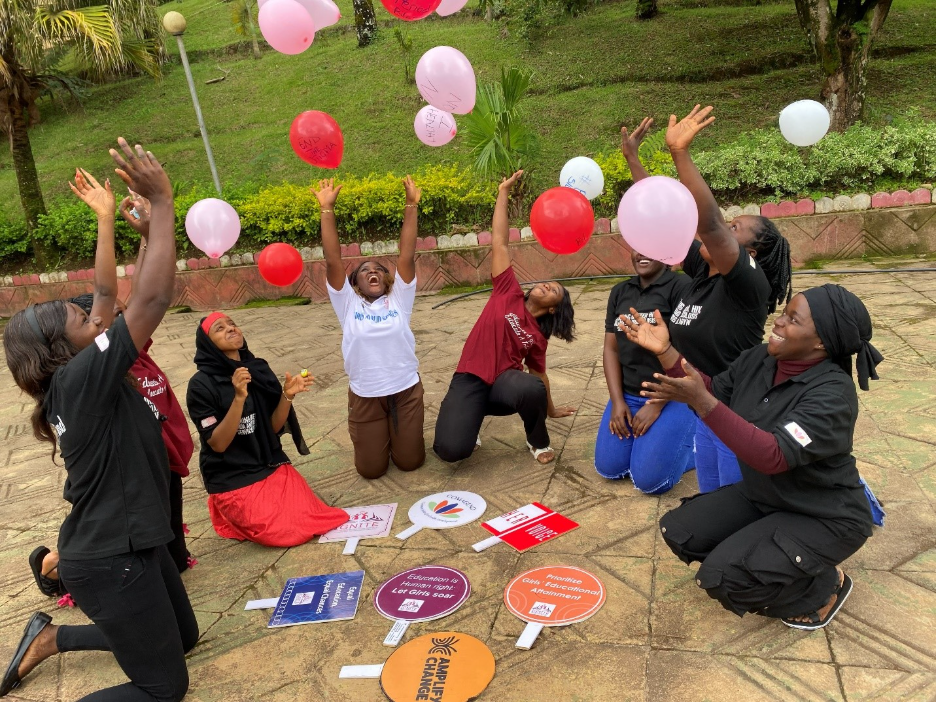
Stigma Silences Voices and Limits Choices
Common SRH misconceptions often overlap with stigma for instance, people believe that sexually active girls are “immoral” which over time, this misinformed-based narratives around contraceptive have been proven futile, these misinformed assumptions were not only on Girls who were considered immoral but was equally on the virus (HIV) they termed “a death sentence or Killer Disease”.
Studies as reviewed from the article factors associated with sexual and reproductive health stigma among AGYW in Ghana by by Kelli Stidham show that girls who have been pregnant or never used contraception often report higher perceived stigma. These stigmas do not only hurt feelings but alter behavior, Girls avoid clinics for fear of being seen on their way to treatment center (pediatric centers), some delay HIV testing or treatment because of fear of knowing their status mean while many others do not seek counselling after sexual violence.
The emotional toll is real: anxiety, depression, withdrawal, and a loss of agency yet these outcomes are rarely discussed openly.
Bridging Community Reality and Science in Bamenda
Young women in Bamenda and across the Northwest region face unique challenges including impacts from prolonged socio-political crises that exacerbate vulnerabilities.
Organizations working with youth have over the years made significant efforts to address gaps in SRH knowledge and access. Community groups has equally played an important role by sharing accurate health information in a caring way, explaining facts in a way that fits local culture and understanding of the daily nuggets of young people.
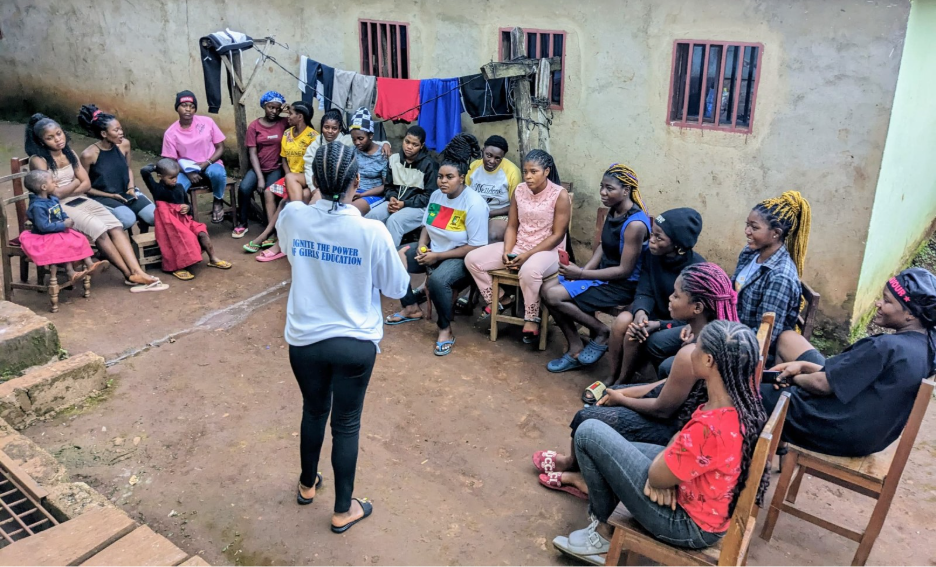
One such group is Common Action For Gender Development COMAGEND amongst other organizations have actively engaged in community dialogues as well as trained peer educators to be community spokespersons in the fight against stigma, misinformation and self-consultation by linking girls to accessible health care services and platforms that support networks to influence policies just like the My Sister My Friend project, where 9 girls acquired knowledge on malaria, tuberculosis, HIV/AIDs and GBV and were equipped to go build their communities with the right knowledge,. Still in their efforts, the Girls Aloud Spaces (GAS) trained AGYW to challenge the deep-rooted inequalities and gender-related norms that serve as a barrier to their education. In the domain of HIV prevention, in collaboration with the Regional Technical Group for HIV, 7 peer educators were empowered to shape the HIV response from the Grass Root level. As a strategy, our outreach did not just focus on the existence of the Health Services but on how the laws and policies that concern health of AGYW, and others are implemented and respected. Hence, addressing SRH misinformation and stigma requires action on several fronts some of which are
educating AGYW and ABYM through trusted community gatherings like schools, markets, online, youth spaces to share accurate facts about contraception, HIV prevention, pregnancy, and post-sexual-violence care, building safe spaces both offline and online to empower girls to ask questions without fear of shame (these spaces are often unsafe because of fear of judgement and blame, power imbalances, lack of confidentiality, cultural and gender norms, cyber harassment/exploitation and spread of misinformation). just like the Adolescent Wellness Centre advocated for by COMAGEND with collaboration and efforts of other organizations was a great step to protecting the health and dignity of AGYW. Also, health care is a take and receive pattern hence HCP should be trained on healthy and ethical measures and methods to approach Patients especially AGYW without being judgmental,
Promoting media and digital literacy as misinformation spreads rapidly through social media, messaging apps, and “hearsay”
What Can We Do better?
What if every young woman in Bamenda and beyond could access SRH information freely without fear of judgement? What if myths were challenged openly, and stigma replaced with support?
We can make this a reality, one conversation at a time and it’s important to know that real change begins in our homes. schools, health centers and community spaces. Parents, teachers, healthcare workers, youth leaders and community members must commit to replacing myths with accurate facts about sexual and reproductive health, communities must create safer and supportive environments where AGYW can ask questions, seek healthcare and share their experiences without fear of shame or judgement. We must encourage open conversation about SRH, support youth friendly wellness spaces and actively challenge harmful stereotypes whenever they appear in our families, churches, schools and social groups. Also, we must learn to conduct surveys and take feedback from AGYW to better understand and assess how we can improve the services provided to them.
Stigma and misinformation do not exist in a vacuum. They are products of social attitudes that ignore facts and elevate fear. When ignorance fills the gaps left by education, adolescent girls and young women are left to navigate health decisions with incomplete or harmful guidance/ information.
But change is possible. When communities commit to evidence-based conversations, when services are respectful and youth-friendly, and when girls are supported rather than judged, we begin to dismantle the barriers that keep AGYW from claiming their rights and health.
By Fai Karimatou & Lum Precious

